

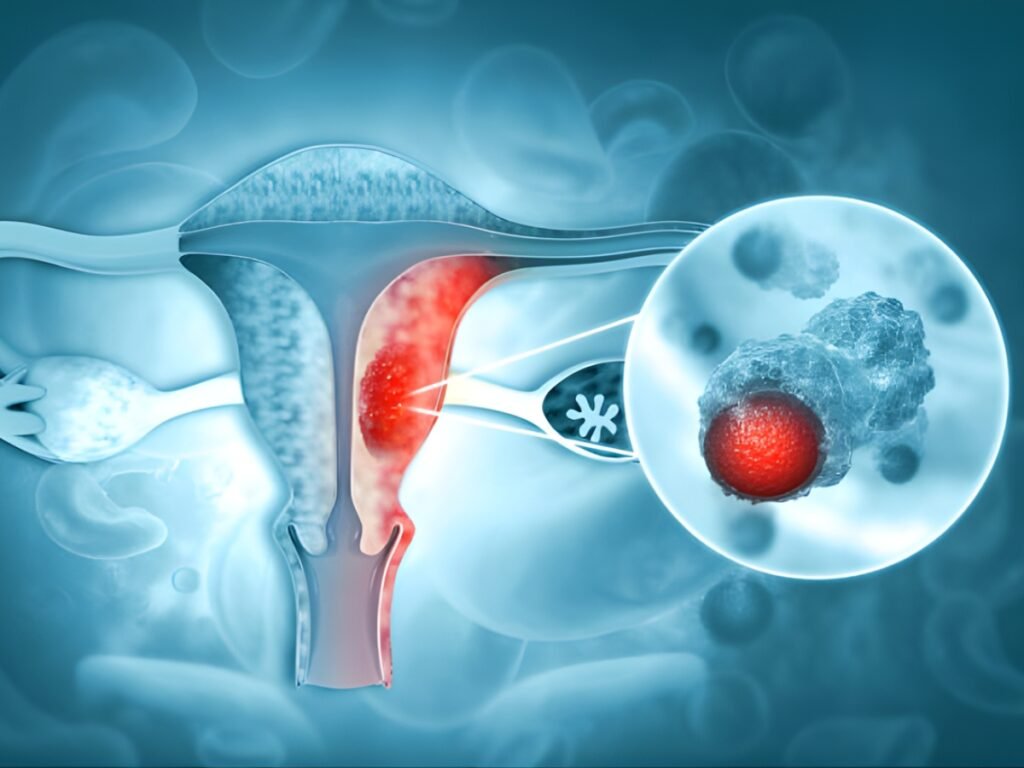

Gynecological Cancer Treatment in Ahmedabad
Comprehensive Gynecological Cancer Care by Dr. Pushpendra H. Hirapara
If you are looking for expert Gynecological Cancer Treatment in Ahmedabad, early diagnosis and specialized oncology care are crucial. Gynecologic cancers affect the female reproductive organs and require careful, multidisciplinary management.
Dr. Pushpendra H. Hirapara, DrNB (Medical Oncology), offers advanced, evidence based systemic cancer therapies personalized to each patient’s cancer type, stage, and overall health condition. With over 11+ years of oncology experience, he focuses on maximizing treatment effectiveness while preserving quality of life.
What are Gynecological Cancers?
Gynecological cancers are a group of cancers that originate in the female reproductive organs. Each type has different risk factors, symptoms, and treatment approaches.
With timely screening and modern treatment options, many gynecological cancers can be effectively managed, especially when detected early.
Types of Gynecological Cancers
Gynecological cancers are classified based on the specific organ they originate from within the female reproductive system. Each type differs in its symptoms, risk factors, and treatment approach, making accurate identification essential for effective care.
Cervical Cancer
Develops in the cervix, most commonly due to persistent HPV infection. It is highly preventable and can be detected early through regular Pap smear screening.
Ovarian Cancer
Begins in the ovaries and often presents with mild or vague symptoms, leading to diagnosis at a more advanced stage.
Uterine (Endometrial) Cancer
Originates in the inner lining of the uterus and is frequently associated with abnormal vaginal bleeding, especially after menopause.
Vaginal Cancer
A rare form of cancer that develops in the vaginal tissues, often linked to HPV infection or advancing age.
Vulvar Cancer
Affects the external genital area and may present with itching, pain, skin thickening, or visible lesions.
Signs & Symptoms of Gynecological Cancers
Symptoms may vary depending on the type of cancer but commonly include:
Abnormal vaginal bleeding (between periods or after menopause)

Pelvic pain or pressure

Unusual vaginal discharge

Bloating or abdominal swelling

Pain during intercourse

Changes in bowel or bladder habits

How are Gynecological Cancers Diagnosed?
Early and accurate diagnosis is essential to identify the type, stage, and extent of cancer, allowing for effective and timely treatment planning. A combination of clinical evaluation, screening, and advanced diagnostic tests is used for confirmation.
Clinical Examination
A detailed pelvic examination is performed to check for any abnormalities in the reproductive organs.
Biopsy
A small tissue sample is collected and examined under a microscope to confirm the diagnosis and identify the cancer type.
Molecular & Pathology Testing
Analyzes tumor characteristics at a molecular level to guide targeted and personalized treatment options.
Screening Tests
- Pap Smear: Helps detect precancerous or cancerous changes in the cervix at an early stage.
- HPV Testing: Identifies high-risk HPV infections associated with cervical cancer.
Imaging Studies
- Ultrasound: Provides initial evaluation of pelvic organs and detects masses or abnormalities.
- CT Scan: Helps assess the spread of cancer to nearby structures or organs.
- MRI: Offers detailed imaging for precise evaluation and staging.
Gynecological Cancer Treatment Options
Treatment is planned based on the type and stage of cancer, along with the patient’s overall health, ensuring a personalized and effective approach.
Chemotherapy
Uses anti-cancer medications to destroy cancer cells or shrink tumors, either alone or in combination with other treatments.
Targeted Therapy
Focuses on specific genetic or molecular changes in cancer cells, providing more precise and effective treatment.
Hormonal Therapy
Blocks or regulates hormones that fuel certain cancers, particularly in hormone-sensitive conditions like endometrial cancer.
Immunotherapy
Enhances the body’s immune system to identify and attack cancer cells more effectively.
Surgery & Radiation (Coordinated Care)
Surgical removal of tumors and radiation therapy are coordinated with specialists for complete and comprehensive cancer care.
Why Consult Dr. Pushpendra H. Hirapara?
Expert Medical Oncologist
Extensive expertise in managing gynecological cancers with advanced systemic therapies.
Advanced Treatment Approach
Follows the latest evidence-based oncology protocols for effective and safe care.
Personalized Care
Develops individualized treatment plans based on each patient’s condition and needs.
Compassionate Support
Provides continuous guidance and emotional support throughout the cancer journey.
Frequently Asked Questions
Symptoms include abnormal bleeding, pelvic pain, bloating, unusual discharge, and changes in bladder or bowel habits.
Women with HPV infection, family history, obesity, smoking habits, or increasing age are at higher risk.
Treatment may include chemotherapy, targeted therapy, hormonal therapy, immunotherapy, surgery, and radiation.
HPV is a major cause for cervical cancer but not all gynecological cancers are linked to HPV.
Some types, like cervical cancer, can be prevented with HPV vaccination and regular screening.
Regular screenings such as Pap smears, HPV tests, and routine gynecological exams help in early detection.
Yes, although more common with age, certain types can occur in younger women as well.
If you experience persistent symptoms like abnormal bleeding, pelvic pain, or unusual discharge, you should seek medical advice promptly.
Take the First Step Towards Gynecological Cancer Care
Early diagnosis and timely treatment play a vital role in improving outcomes in gynecological cancers. Consult Dr. Pushpendra H. Hirapara for advanced, compassionate, and comprehensive gynecological cancer treatment in Ahmedabad.