

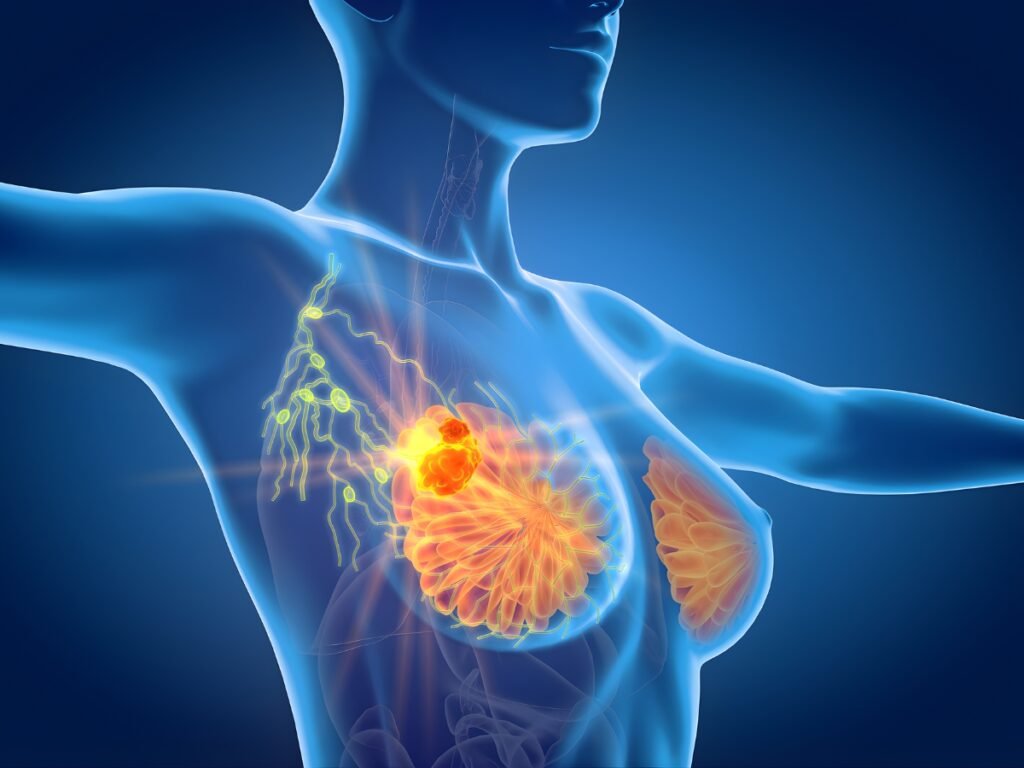

Breast Cancer Treatment in Ahmedabad
Comprehensive Breast Cancer Care by Dr. Pushpendra H. Hirapara
If you are looking for expert Breast Cancer Treatment in Ahmedabad, early diagnosis and the right oncology care can significantly improve survival and quality of life. Breast cancer is one of the most common cancers in women, but with modern treatments, it is highly manageable, especially when detected early.
Dr. Pushpendra H. Hirapara, DrNB (Medical Oncology), brings over 11+ years of experience in providing evidence-based systemic cancer therapies including chemotherapy, targeted therapy, hormonal therapy, and immunotherapy. He focuses on personalized, stage-wise treatment planning to ensure optimal outcomes with minimal side effects.
What is Breast Cancer?
Breast cancer occurs when cells in the breast tissue begin to grow abnormally, forming a tumor that can be either benign (non-cancerous) or malignant (cancerous). Malignant tumors have the potential to invade nearby tissues and spread (metastasize) to other organs.
Early detection plays a crucial role in successful treatment and long-term survival.
Types of Breast Cancer
Breast cancer is not a single disease but a group of different types that vary in their origin, behavior, and response to treatment. Understanding the specific type of breast cancer helps in planning the most effective and personalized treatment approach.
Ductal Carcinoma In Situ (DCIS)
A non-invasive, early-stage cancer confined to the milk ducts. It has not spread to surrounding breast tissue and is highly treatable when detected early.
Invasive Ductal Carcinoma (IDC)
The most common type of breast cancer, which begins in the milk ducts and invades nearby breast tissue. It can spread to lymph nodes and other parts of the body if untreated.
Invasive Lobular Carcinoma (ILC)
Starts in the milk-producing glands (lobules) and can spread to surrounding tissues. It may be harder to detect on imaging compared to other types.
Triple-Negative Breast Cancer
A more aggressive form that lacks estrogen, progesterone, and HER2 receptors. It does not respond to hormonal therapy but may respond well to chemotherapy.
HER2-Positive Breast Cancer
Characterized by excess HER2 protein, leading to faster tumor growth. However, it responds effectively to targeted therapies designed specifically for HER2.
Signs & Symptoms of Breast Cancer
Early breast cancer may not cause noticeable symptoms, which is why screening is important. Common signs include:
Lump or thickening in the breast or underarm

Change in breast size, shape, or appearance

Nipple discharge (other than breast milk)

Skin dimpling or redness

Nipple inversion or pain

Persistent breast discomfort

How is Breast Cancer Diagnosed?
Early and accurate diagnosis is essential to determine the stage and type of breast cancer, which helps in planning the most effective treatment. A combination of clinical evaluation, imaging, and laboratory tests is used to confirm the diagnosis.
Clinical Breast Examination
A detailed physical examination of the breasts and underarm area to identify any lumps, swelling, or visible abnormalities.
Biopsy
A small sample of breast tissue is removed and examined under a microscope to confirm the presence of cancer cells.
Molecular Testing
Tests the tumor for hormone receptors (ER/PR) and HER2 status, helping guide targeted and personalized treatment decisions.
Imaging Studies
- Mammography: A specialized X-ray used for screening and detecting early breast changes.
- Ultrasound: Helps differentiate between solid lumps and fluid-filled cysts.
- MRI: Provides detailed images and is used in selected or high-risk cases.
Breast Cancer Treatment Options
Breast cancer treatment involves a multidisciplinary approach tailored to the patient’s condition, cancer type, and stage. The goal is to effectively eliminate cancer while preserving overall health and quality of life.
Chemotherapy
Uses powerful anti-cancer drugs to destroy cancer cells or shrink tumors, often given before or after surgery.
Targeted Therapy
Focuses on specific proteins or genes (such as HER2) that promote cancer growth, offering more precise treatment with fewer side effects.
Hormonal Therapy
Blocks or lowers hormone levels in the body to slow or stop the growth of hormone receptor-positive breast cancers.
Immunotherapy
Enhances the body’s immune system (the natural defense system that fights diseases) to recognize and attack cancer cells.
Surgery & Radiation (Coordinated Care)
Surgical removal of the tumor and radiation therapy are coordinated with specialists to ensure complete and effective cancer management.
Why Consult Dr. Pushpendra H. Hirapara?
Expert Medical Oncologist
Extensive expertise in delivering advanced systemic therapies, including chemotherapy, targeted therapy, and immunotherapy.
Advanced Treatment Approach
Follows the latest evidence-based protocols and modern oncology practices to ensure effective and safe treatment outcomes.
Personalized Care
Designs individualized treatment plans based on cancer type, stage, and each patient’s overall health condition.
Compassionate Support
Provides continuous guidance and emotional support to patients and families throughout the journey.
Frequently Asked Questions
Common early signs include a lump in the breast or underarm, changes in breast shape or size, skin dimpling, nipple discharge, or persistent pain in the breast area.
Women over the age of 40, individuals with a family history of breast cancer, genetic mutations, obesity, and certain hormonal factors have a higher risk.
Treatment may include chemotherapy, targeted therapy, hormonal therapy, immunotherapy, and surgery or radiation depending on the case.
Some breast cancers are linked to inherited gene mutations like BRCA1 and BRCA2, but not all cases are hereditary.
Yes, especially in early stages, breast cancer may not show noticeable symptoms, which is why regular screening and mammography are important.
Yes, breast cancer is highly treatable, especially when detected early. Advances in medical treatments have significantly improved survival rates.
Screening recommendations vary, but generally, women above 40 are advised to undergo regular mammograms and clinical breast exams.
Maintaining a healthy weight, regular exercise, limiting alcohol, and undergoing regular screenings can help reduce the risk.
Take the First Step Towards Breast Cancer Care
Breast cancer treatment is most effective when started early and guided by experienced specialists. Consult Dr. Pushpendra H. Hirapara for advanced, compassionate, and personalized breast cancer care in Ahmedabad.