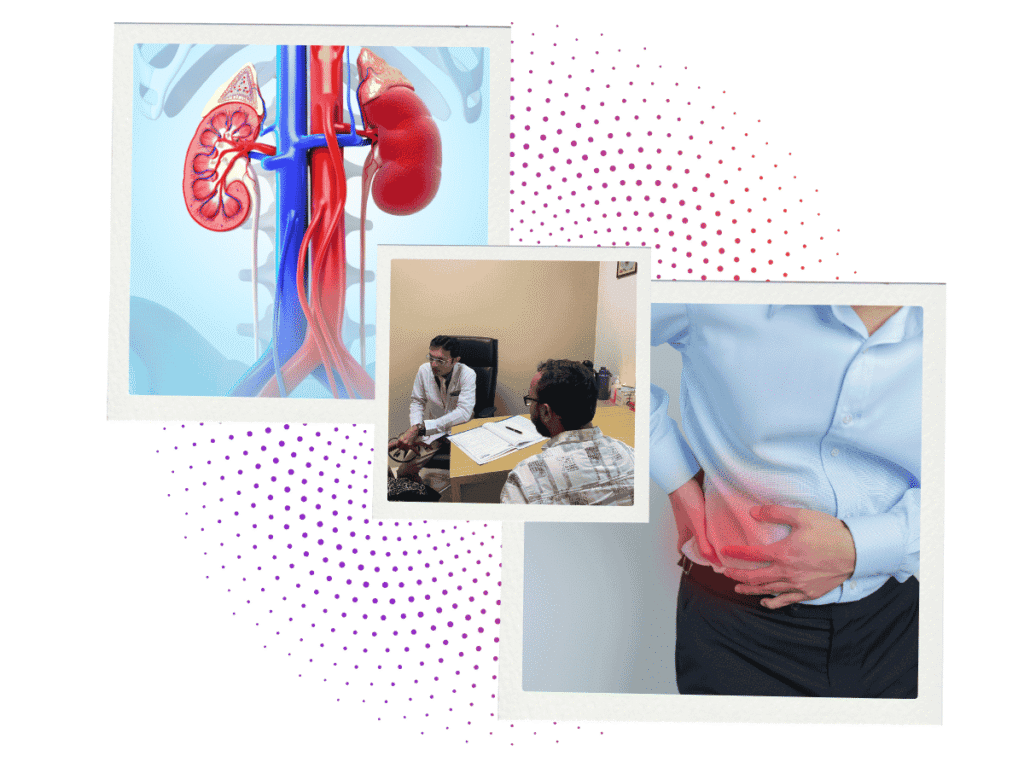
Urothelial Cancer Treatmnet

Untitled design (62)

Comprehensive Urothelial Cancer Treatment

Expert care with advanced technology and compassionate support by Dr. Hirapara.

At our center, we specialize in the complete care of urothelial cancers — with expert diagnostics, advanced therapies, and personalized support plans. Whether early-stage or advanced, you can count on precise care that considers the whole person, not just the disease.

Let's know More About Tumor

Overview

Urothelial cancer (also called bladder cancer) arises from the lining of the urinary system, including the bladder, ureters, and renal pelvis. For many patients, the first sign is blood in the urine — which can be alarming. While hearing the word “cancer” is frightening, advances in targeted therapy, immunotherapy, and systemic treatments now offer patients much better outcomes and quality of life than ever before.

My mission is to ensure that each patient receives personalized care, combining the latest scientific advancements with compassionate support throughout their journey.

Most Commonly Found Symptoms

By Dr. Pushpendra H. Hirapara, Leading Oncologist in Ahmedabad

Urothelial cancer often gives early warning signs. According to Dr. Hirapara, recognizing these symptoms early improves the chance of a cure.

cancer symptoms

Blood in Urine (Hematuria)

It can often be painless and can be seen It could be discovered solely in a laboratory test or show up as red, pink, or cola-colored.

Frequent Urination

You may feel the need to urinate more often than usual, especially during the night, even if you haven’t increased your fluid intake.

Pain or Burning During Urination

Pain or Burning During Urination

There may be a burning or stinging sensation while urinating that doesn’t improve with standard treatment, like antibiotics.

Pain or Burning During Urination

Urgency or Difficulty Passing Urine

You might feel a sudden, strong urge to urinate but pass only a small amount or find it hard to start or maintain the stream.

Pelvic or Lower Back Pain

Discomfort or aching may be felt in the lower abdomen, pelvis, or back, especially as the disease progresses.

Recurrent Urinary Infections

Recurrent Urinary Infections

Frequent bladder infections that don’t fully clear or keep returning could be a warning sign of something more serious.

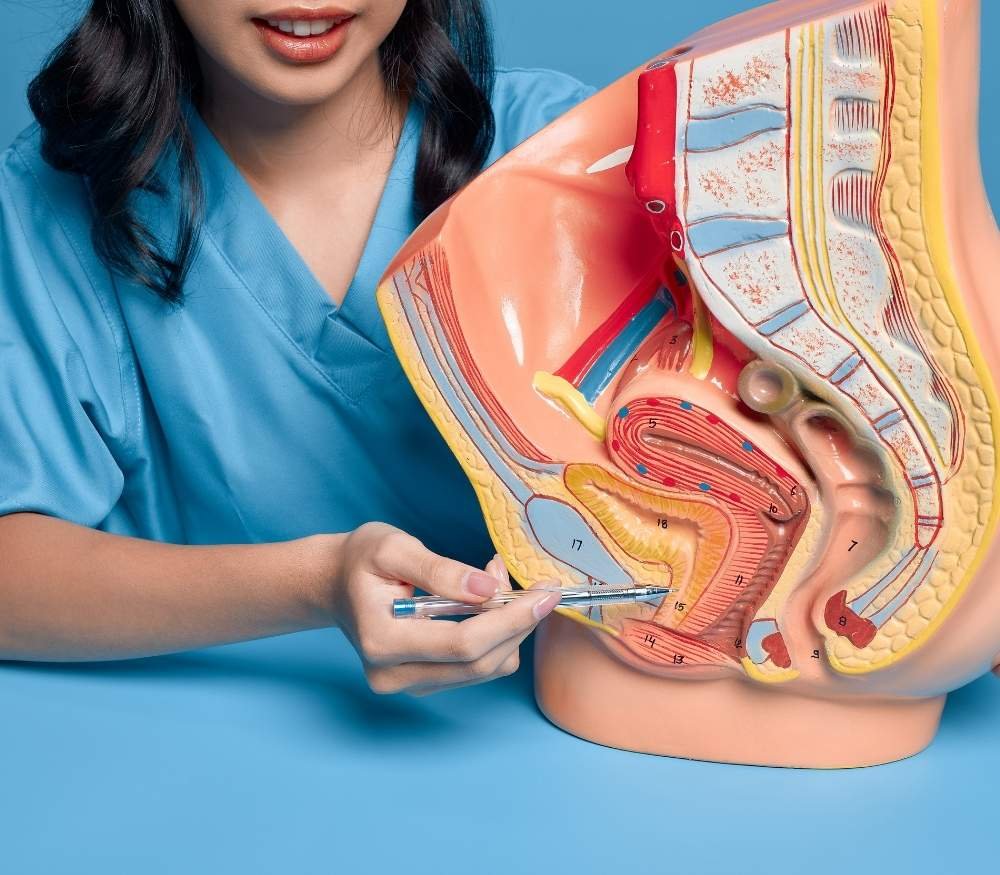
When to See a Dr. Pushpendra H. Hirapara

If you notice blood in your urine (even once) or experience persistent urinary symptoms, it is essential to consult a doctor promptly. Many bladder cancers are treatable when detected early, and timely evaluation makes a big difference in outcomes.

11+

Years
Expertise

My Approach to Urothelial Cancer

Many urinary symptoms are mistaken for infections or age-related issues. That’s why a timely, accurate diagnosis is critical.

Here’s how I approach each case:

Understanding Different Types of Urothelial Cancers

Urothelial (Bladder) Cancer is a cancer that begins in the cells lining the bladder and may cause symptoms like blood in the urine or frequent urination. It is diagnosed through urine tests, scans, and cystoscopy. Treatment may include surgery, immunotherapy, chemotherapy, or targeted radiation to control the disease and preserve bladder function.

Prostate Cancer

Common in older men. Often slow-growing and detected through PSA tests. Treatment depends on stage and patient preference.

Bladder Cancer

Presents with blood in urine or frequent urination. Linked to smoking and chemical exposure. Treated with surgery, chemotherapy, and immunotherapy.

Kidney Cancer

May present as side pain, blood in urine, or a mass. Often diagnosed through imaging. Surgery is the mainstay of treatment.

Penile Cancer

A rare cancer affecting the penis. May start as sores, growths, or skin changes. Early diagnosis allows organ-sparing treatment.

Testicular Tumors

Common in young men. Usually present as a painless lump. Highly curable with surgery and chemotherapy.
Your peace of mind starts with expert guidance.

If you’ve noticed any changes in your urinary health, getting an expert opinion from Dr. Pushpendra H. Hirapara can help you understand the condition early and explore the best treatment path.

Specialized Urothelial Cancer Treatment

Urothelial cancers affect the organs of the urinary and reproductive systems, including the kidneys, bladder, prostate, testicles, and other related structures. These cancers may cause symptoms such as difficulty urinating, blood in the urine, pelvic or back pain, fatigue, or changes in sexual function, though early cases may be silent. Diagnosis typically involves imaging tests, endoscopic evaluations, blood and urine analysis, and sometimes a biopsy to confirm the type and stage. With advancements in surgery, targeted therapy, immunotherapy, chemotherapy, and precision radiation, patients receive tailored treatment plans aimed at improving outcomes while maintaining organ function and quality of life.
doctor

We will contact

Get a call back

Why Choose Dr. Pushpendra H. Hirapara for Urothelial Cancer Care?

Specialized Focus

I have dedicated expertise in treating Urothelial cancers with the latest systemic therapies.

Personalized Plans

Each patient receives a treatment strategy tailored to their type, stage, overall health, and their age. There is also a multidisciplinary treatment plan.

Compassionate Support

From diagnosis to recovery, I emphasize comfort, dignity, and emotional well-being alongside medical treatment, as well as pain management, nutritional support, and guidance.

Comprehensive Follow-up

Regular monitoring, rehabilitation support, and lifestyle guidance to help patients return to normal life confidently.

Frequently Asked Questions

With Expert Answers by Dr. Hirapara – Brain Tumor Specialist & Oncologist in Ahmedabad

The most common sign is blood in the urine, even if painless and temporary.

Yes, many cases can be cured, especially if detected at an early stage. Advanced cases can often be controlled with modern therapies.

Non-muscle invasive affects only the inner lining of the bladder and is usually less aggressive. Muscle invasive cancer spreads deeper and requires stronger treatment.

Immunotherapy has shown excellent results in advanced urothelial cancer, helping patients live longer with better quality of life.

Major risk factors include smoking, exposure to industrial chemicals (aromatic amines), chronic bladder infections, and a history of radiation or chemotherapy.

– Quit smoking
– Stay hydrated
– Maintain a balanced diet
– Follow a regular follow-up schedule
– Exercise moderately, as advised by your doctor

Not always. Some patients may require surgery, while others may be managed with bladder-preserving therapies. The decision depends on the stage and type of cancer.

Because of his expertise in systemic therapies — chemotherapy, immunotherapy, targeted therapy, and cancer vaccines — ensuring patients receive cutting-edge, individualized care.

Take the First Step Towards Better Health

For advanced and compassionate Myeloma care, consult
Dr. Pushpendra H. Hirapara – Consultant Medical Oncologist & Hemato-Oncologist

Scroll to Top