
Head and Neck Cancer Treatment Without Surgery: Is It Possible?
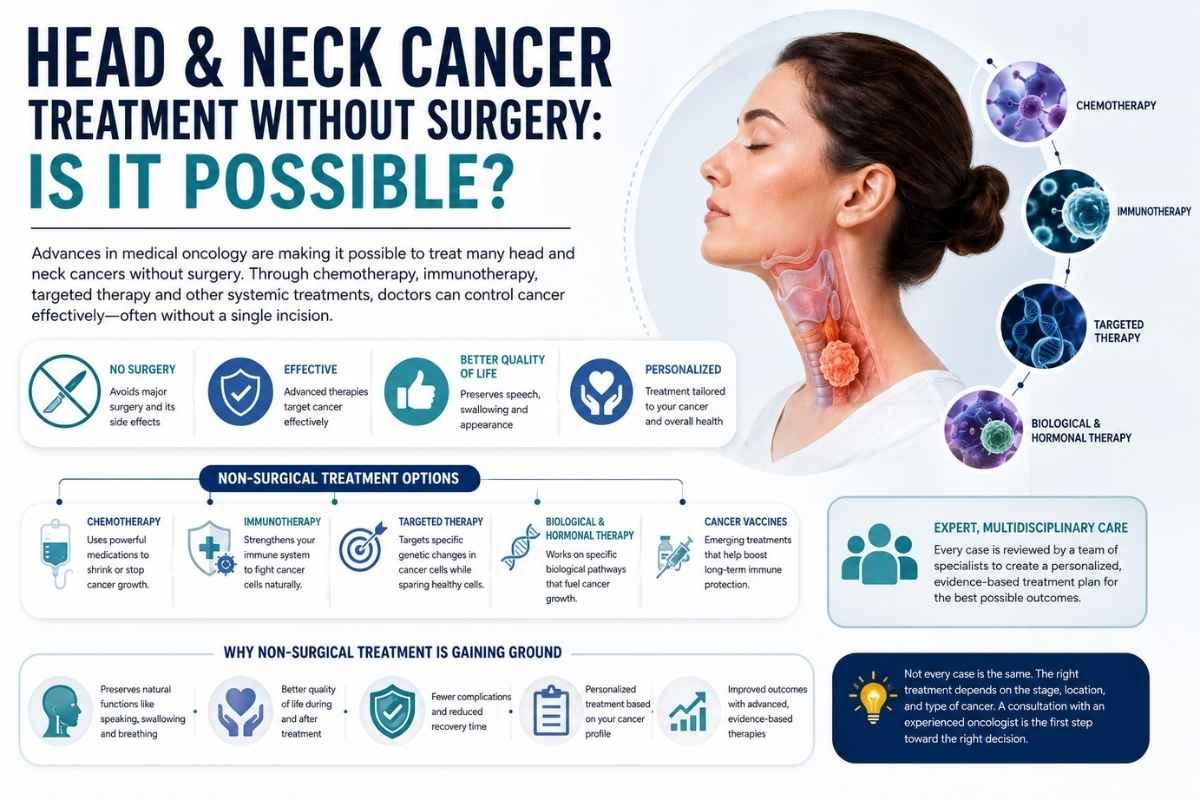
Yes, in many cases, head and neck cancer can be treated without surgery. Depending on the stage, location, and type of the tumor, doctors now use chemotherapy, immunotherapy, targeted therapy, and other systemic treatments to control cancer effectively, sometimes without a single incision. This shift is one of the biggest changes in modern oncology, and it’s giving patients real hope.
If you or a loved one has just been diagnosed, the fear of major surgery is often the first and biggest worry. The good news is that surgery isn’t always the only path forward. For patients seeking head and neck cancer treatment in Ahmedabad, understanding these non-surgical options can help you make informed decisions with your care team.
Why Non-Surgical Treatment Is Gaining Ground
Head and neck cancers affect sensitive areas — the mouth, throat, voice box, and nasal passages — regions tied directly to speech, swallowing, and appearance. Surgery in these areas, while sometimes necessary, can affect a person’s quality of life significantly. That’s why oncologists now lean on systemic and targeted approaches whenever the cancer’s stage and biology allow it.
Some of the main non-surgical routes include:
- Chemotherapy – Still one of the most reliable tools to shrink tumors or stop their growth, either alone or paired with radiation.
- Immunotherapy – This works by training your own immune system to recognize and fight cancer cells. It has changed outcomes for many patients, often with fewer harsh side effects compared to older treatments.
- Targeted Therapy – Instead of attacking all fast-growing cells, this method zeroes in on the specific genetic mutations driving a particular tumor, sparing healthy tissue in the process.
- Biological and Hormonal Therapy – Used in select cases where the tumor’s growth is linked to specific biological or hormonal pathways.
- Cancer Vaccines – An emerging area of research aimed at boosting long-term immune protection against certain cancer types.
None of these approaches work in isolation. A qualified medical oncologist studies each patient’s scans, biopsy reports, and overall health before deciding what combination gives the best chance at remission.
Is Surgery-Free Treatment Right for Everyone?
Not every case qualifies for a fully non-surgical path, and it’s important to be honest about that. Early-stage cancers, certain tumor locations, and specific cell types respond better to systemic treatment. Advanced or fast-spreading tumors may still need surgery as part of the overall plan. This is exactly why a proper diagnosis by an experienced oncologist matters more than searching for a one-size-fits-all answer online.
What to Expect From Expert Care
Dr. Pushpendra H. Hirapara, a Medical Oncologist with over 11 years of clinical experience, has completed more than 13,000 tests and cancer treatments. He currently consults at Shalby Hospital on SG Highway and Naroda in Ahmedabad. His approach to head and neck cancer treatment in Ahmedabad relies on multidisciplinary tumor board discussions, meaning your case isn’t reviewed by just one specialist but discussed among several experts before finalizing a plan.
This kind of collaborative, evidence-based approach — combined with international oncology guideline updates — is what allows many patients today to avoid or reduce the extent of surgery compared to a decade ago.
Final Thoughts
Surgery isn’t always the first or only answer anymore. With chemotherapy, immunotherapy, and targeted therapy advancing rapidly, many patients now have real, evidence-backed alternatives worth discussing with their doctor. If you’re exploring head and neck cancer treatment in Ahmedabad, the smartest first step is a proper consultation to understand which path — surgical or non-surgical — fits your specific diagnosis.